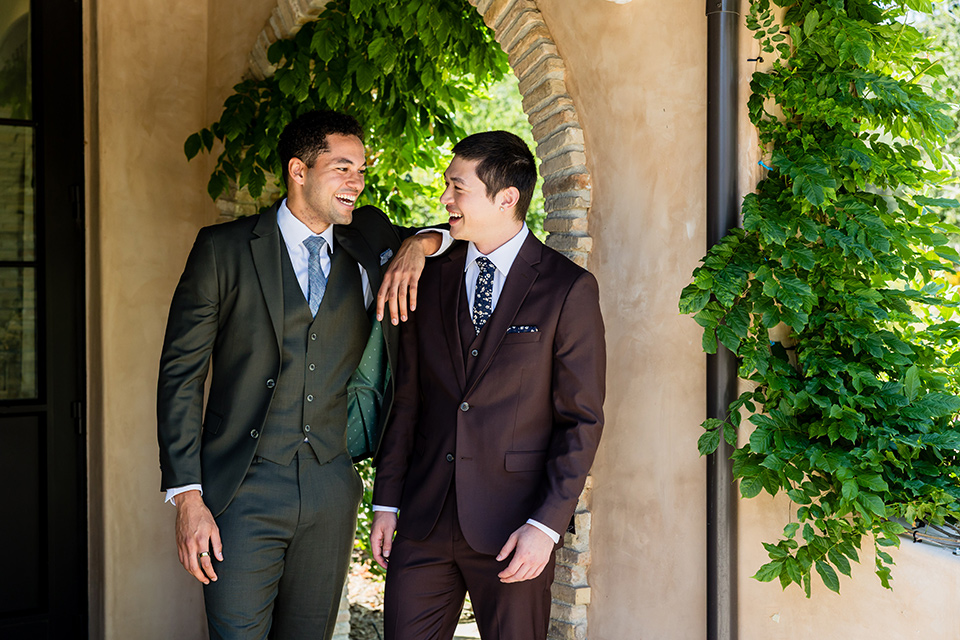
What is the difference between business professional and business casual for men? Business professional requires more formal attire like a suit and tie, while business casual allows a more relaxed yet polished look with items like dress pants, button-down shirts, and optional blazers.
Knowing the difference between business professional vs business casual men helps you look sharp, credible, and comfortable in every workplace scenario. Both dress codes are polished, but they serve different purposes and set distinct expectations. This guide clarifies what each look entails, the garments that define them, and how to build a wardrobe that can flex between the two. Whether you are prepping for an interview, presenting to a client, or heading into a startup stand-up, use these tips to choose the right look with confidence.
What Is Business Casual for Men?
Business casual is a relaxed yet refined approach to office dressing. It drops the strict requirement of a full matching suit and tie while keeping a professional finish. It is common in tech and creative workplaces, internal meetings, casual Fridays, and post-travel office days.
The goal is to communicate competence without feeling overdressed. Understanding business professional vs business casual men helps you select pieces that read appropriate for the environment.
Key business casual pieces include:
- Blazers or sport coats worn without a tie
- Collared dress shirts or quality polos
- Fine-gauge knitwear, such as merino sweaters or cardigans
- Chinos or dress trousers
- Smart shoes such as loafers, brogues, dress boots, or clean leather sneakers where allowed
Popular combinations:
- Navy blazer + light blue button-down + khaki pants
- Textured coat + knit polo + trousers
- Crewneck sweater layered over an Oxford shirt + dress shoes
Fit is what keeps business casual from looking sloppy. Aim for tailored but comfortable: blazers should lie clean at the shoulders without pulling, shirts should follow your torso without billowing, and trousers should taper neatly with a slight break. Choose breathable, refined fabrics- tight-weave cotton chinos, wool-blend trousers, and smooth knitwear. Stick to a cohesive palette of navy, gray, white, olive, and tan; add interest with subtle patterns such as micro-checks, herringbone, or fine stripes. The result is a modern, office-appropriate look- even without a tie. For many men learning about dressing business professional or business casual, mastering these basics makes transitions between codes effortless.
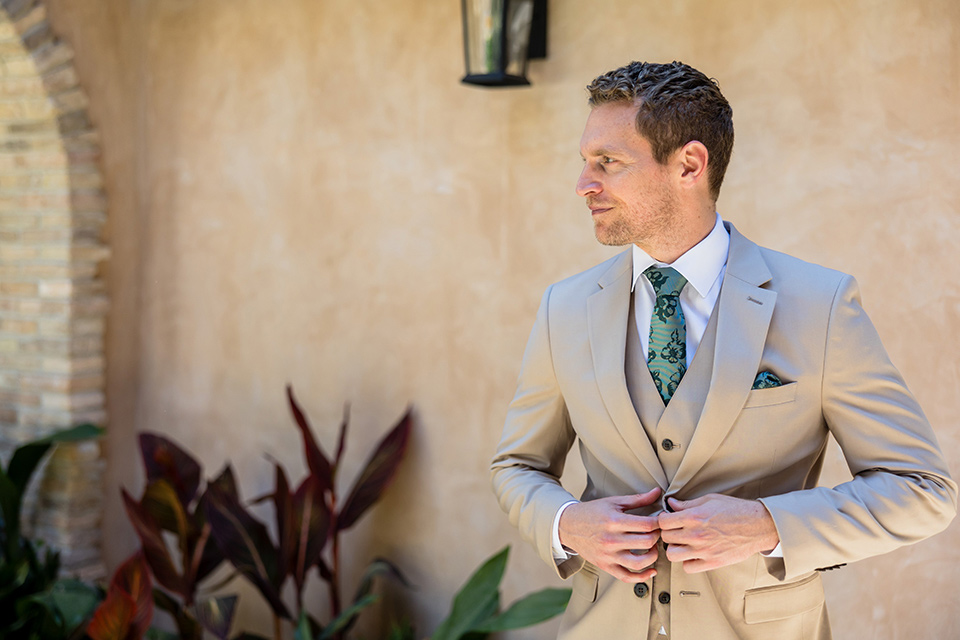
What Is Business Professional for Men?
Business professional is the most formal standard in typical office environments and high-stakes settings. It signals authority, attention to detail, and respect for the occasion. Choose this dress code for job interviews, court appearances, board or senior leadership meetings, and formal client presentations- any situation where first impressions and credibility matter.
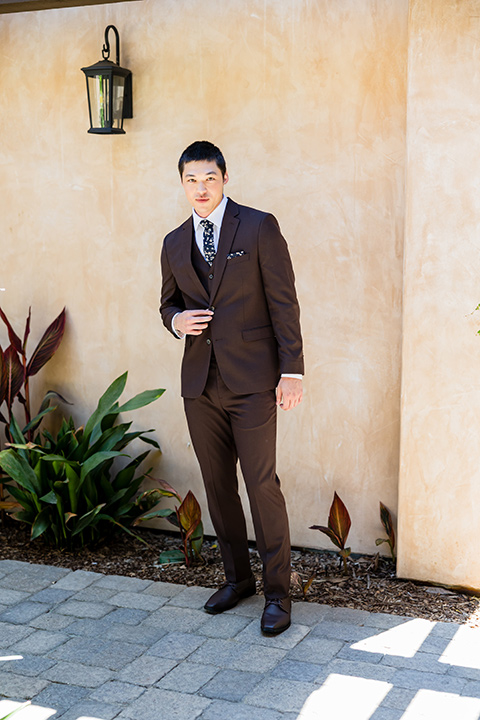
The foundation of business professional attire includes:
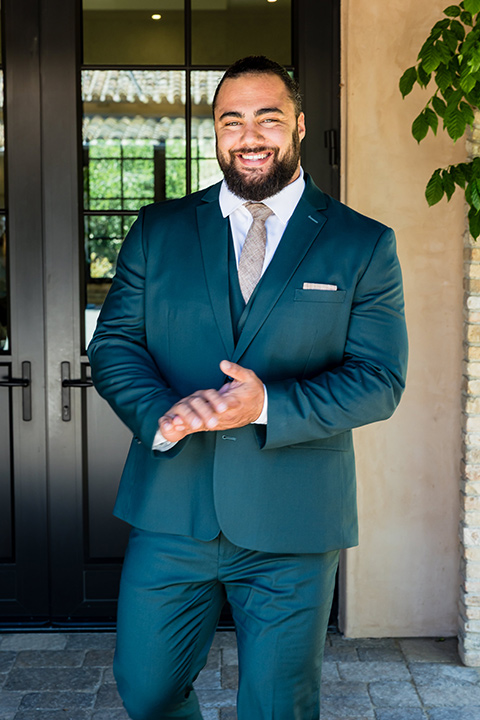
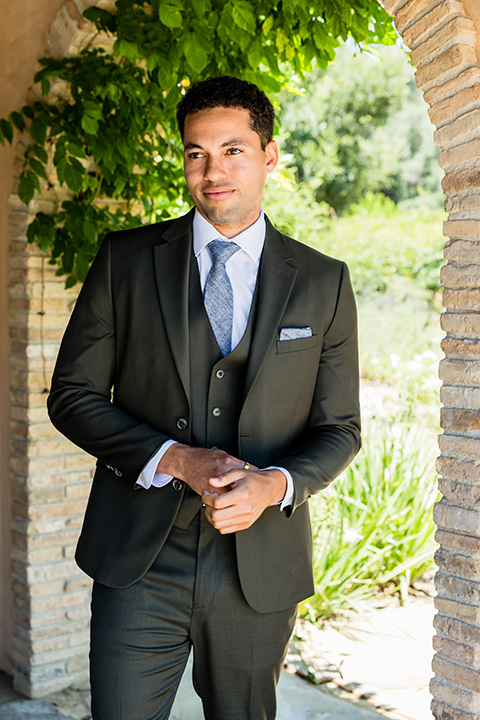
- A matching two- or three-piece suit
- A crisp long-sleeve dress shirt
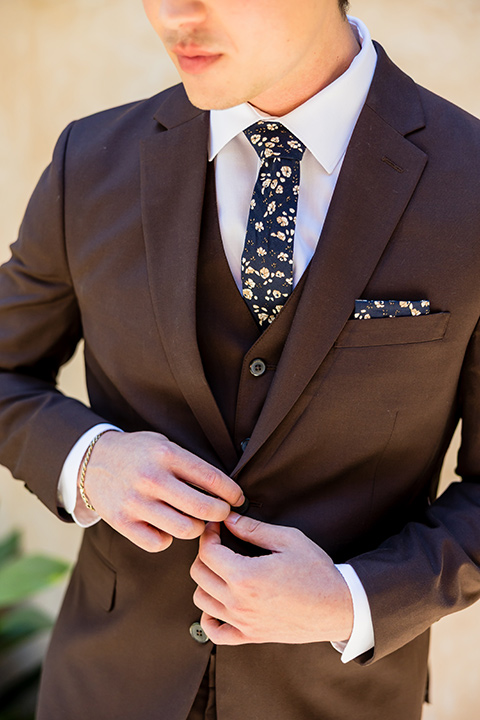
- A conservative tie
- Leather dress shoes such as oxfords or derbies
Grooming is part of the uniform: maintain a clean shave or neatly trimmed facial hair, keep hair tidy, and choose minimal, tasteful accessories. Socks should coordinate with trousers, and your belt should match your shoes in color and finish.
Tailoring and materials elevate the look. A well-fitted jacket sits clean across the shoulders, sleeves show a hint of shirt cuff, and trousers sit at the waist with a smooth line through the leg. Opt for year-round wool suits in navy, charcoal, or medium gray; subtle textures like sharkskin or twill add depth. White or light blue shirts keep the palette conservative, while ties in solids, restrained stripes, or small geometrics maintain a professional tone. These choices project steadiness and competence so your message takes center stage. When dressing business professional, attention to these details separates casual smart from clearly professional attire.
Side-by-Side Differences: Business Professional vs. Business Casual
Understanding the contrasts helps you read the room and select the right level of formality. Business professional is structured and uniform, while business casual offers more flexibility in fabrics, layers, and footwear. If the agenda includes executives, clients, or formal decision-making, professional is the safer bet. For internal workdays, brainstorming sessions, and creative environments, business casual keeps you comfortable and productive. For men navigating business professional vs business casual men choices, the following table clarifies each category.
|
Category |
Business Professional |
Business Casual |
|
Formality |
Matching suit and tie, crisp shirt, leather dress shoes |
No tie required; blazer or sport coat optional; chinos or non-matching trousers |
|
Garments |
Two- or three-piece suit; solid or subtle-pattern tie; white/light blue shirt |
Blazers, sport coats, polos, knitwear; patterned shirts; textured trousers |
|
Accessories |
Minimal: classic watch, plain pocket square, simple tie bar |
More variety: textured belts, playful tie patterns, understated jewelry |
|
Footwear |
Polished oxfords or derbies in black or dark brown |
Loafers, brogues, dress boots; clean leather sneakers if culture allows |
|
When to wear |
First-time client meetings, interviews, board meetings, court |
Internal meetings, casual Fridays, creative teams, everyday office wear |
When in doubt, start slightly more formal- add a tie or a structured jacket- and remove layers if needed. Avoid mixing categories that clash in formality. Do not pair a dressy suit with casual shoes, or a casual blazer with distressed denim in office settings. Keep patterns and colors restrained in professional contexts, ensure a clean fit in both dress codes, and stick to sleek, minimal sneakers only when explicitly allowed. Clear knowledge of business professional attire and business casual attire prevents common missteps.
How to Build a Versatile Wardrobe: From Business Casual to Business Professional
With smart planning, you can move between business casual and business professional without maintaining two separate closets. Focus on high-quality separates and suits that coordinate well, and prioritize fabrics that travel cleanly and resist wrinkles.
Essential pieces that bridge both worlds:
- Navy blazer
- Medium-gray suit (two-piece to start; add a waistcoat if you want a three-piece option)
- Shirts in white, light blue, and subtle stripes
- Chinos in khaki and navy
- Wool trousers in charcoal
- Black cap-toe oxfords for professional moments
- Dark brown loafers for business casual
- Leather belts matched to shoe colors
- Socks in complementary tones to trousers
Fast upgrades when the dress code shifts:
- Add a conservative tie to a blazer-and-trousers outfit
- Swap loafers for black oxfords
- Slide in a white pocket square for a polished touch
- Replace a knit polo with a crisp dress shirt
- Choose a structured, unpatterned blazer over a heavily textured sport coat
Travel-friendly tips:
- Choose wrinkle-resistant wool blends for suits and trousers
- Pack shirts in performance cotton or stretch blends that release creases
- Use garment bags or packing folders for tailored pieces
- Roll knitwear and ties to save space
- Hang items on arrival and use a travel steamer or hot shower to relax wrinkles
- Pack one neutral tie and polished oxfords to elevate casual looks quickly
These strategies make dressing business professional or business casual attire simple even on busy travel days.
Choosing the Right Fit and Fabrics: Hallmarks of Quality
Fit is the quickest way to look put-together. Know your measurements- shoulder width, chest, sleeve length, neck, natural waist, seat, and inseam- and consult fit guides before you buy. Plan on basic alterations: hem jacket sleeves to show a small amount of shirt cuff, set trouser hems to a slight or no break, and add waist suppression to jackets for a clean torso line. Common fit labels include slim, tailored, and classic; select the silhouette that balances comfort with a neat profile.
Choose fabrics that support performance and appearance:
- Suits and trousers: year-round wool for drape, breathability, and durability; in warmer climates, tropical-weight wool, cotton-linen blends, or stretch performance fabrics
- Shirts: high-quality cotton poplin or twill for a crisp finish; stretch blends for mobility and fewer wrinkles
- Knitwear: merino wool or cotton for refined texture and easy layering
Look for quality construction details that extend garment life:
- Clean, even stitching and reinforced seams at stress points
- Durable buttons (horn or high-quality resin)
- Breathable linings that lay smooth
- Natural lapel roll and even button spacing
- Functional sleeve buttonholes on some jackets as a premium detail
These markers signal craftsmanship and help your pieces maintain shape and polish over time. Whether you focus on business professional attire for critical meetings or business casual attire for everyday office life, quality will show in the details.
Business Professional vs. Business Casual: Quick Reference Checklist
Use this checklist to confirm your outfit aligns with the dress code:
- If any client-facing or high-stakes meeting is on the schedule, default to business professional.
- For internal days and brainstorming sessions, business casual is typically appropriate.
- Ensure your jacket and trousers match for business professional; mix textures and colors thoughtfully for business casual.
- Keep ties conservative for professional settings; make them optional or lightly playful for business casual.
- Reserve oxfords and derbies for professional moments; use loafers or dress boots for business casual.
- Maintain grooming and accessories at a clean, minimal level in both dress codes.
- When uncertain, overdress slightly and remove a layer (like a tie) if the room skews more casual.
This simple checklist helps men deciding between business professional vs business casual men to make a confident choice.
Why Choose Our Products: Practical Benefits and Care
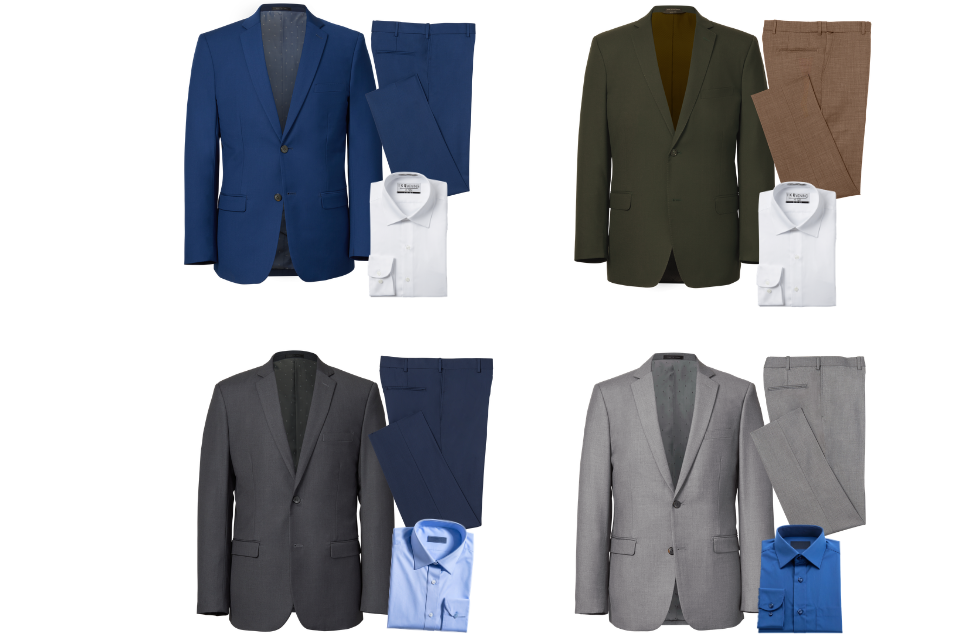
Our collections are designed to perform across both business casual and business professional settings. We focus on cuts that flatter a range of body types, with precise shoulder construction, balanced jacket lengths, and clean lines. Innovative fabric technology- including stretch wool blends, moisture-wicking shirting, and wrinkle-resistant finishes- keeps you comfortable through long days and busy travel schedules. Versatile designs, such as mix-and-match blazers with coordinated trousers, make it easy to shift from internal meetings to client presentations with minimal changes.
Care and maintenance are straightforward. Many pieces feature performance linings and crease-resistant fabrics that stay sharp with light steaming. Follow garment care labels: most suits benefit from occasional dry cleaning and regular brushing, while performance cotton-blend shirts can be machine washed on gentle and hung to dry. Store jackets on broad-shouldered hangers, rotate shoes to let them rest, and use cedar inserts to manage moisture and odor. We also offer fit guidance, alterations for sleeve and trouser hems, and support to help you maintain your wardrobe long-term.
Shopping our collections is simple. Explore interview-ready suits in navy and charcoal, or choose business-casual separates like textured sport coats, chinos, and knit polos for everyday office wear. If you need help pairing pieces, our styling team can recommend shirts, ties, and shoes that align with your role and industry. Whether you are building a first interview outfit or rounding out a weekly rotation, our range covers business professional attire and business casual attire so you can look professional in every setting.
Final Takeaway
Business professional and business casual are both polished, but they communicate different levels of formality. Build a versatile wardrobe with a few well-chosen suits, blazers, shirts, trousers, and shoes, then use accessories and layering to move up or down the formality scale. Prioritize fit, fabric quality, and cohesive colors to look sharp in any setting. When the stakes are high, lean professional; for everyday productivity, opt for business casual. With the right pieces and a clear grasp of business professional vs business casual men expectations, you can dress confidently for any workplace occasion.